


Nagaland – The Land of Festivals & Untamed Beauty

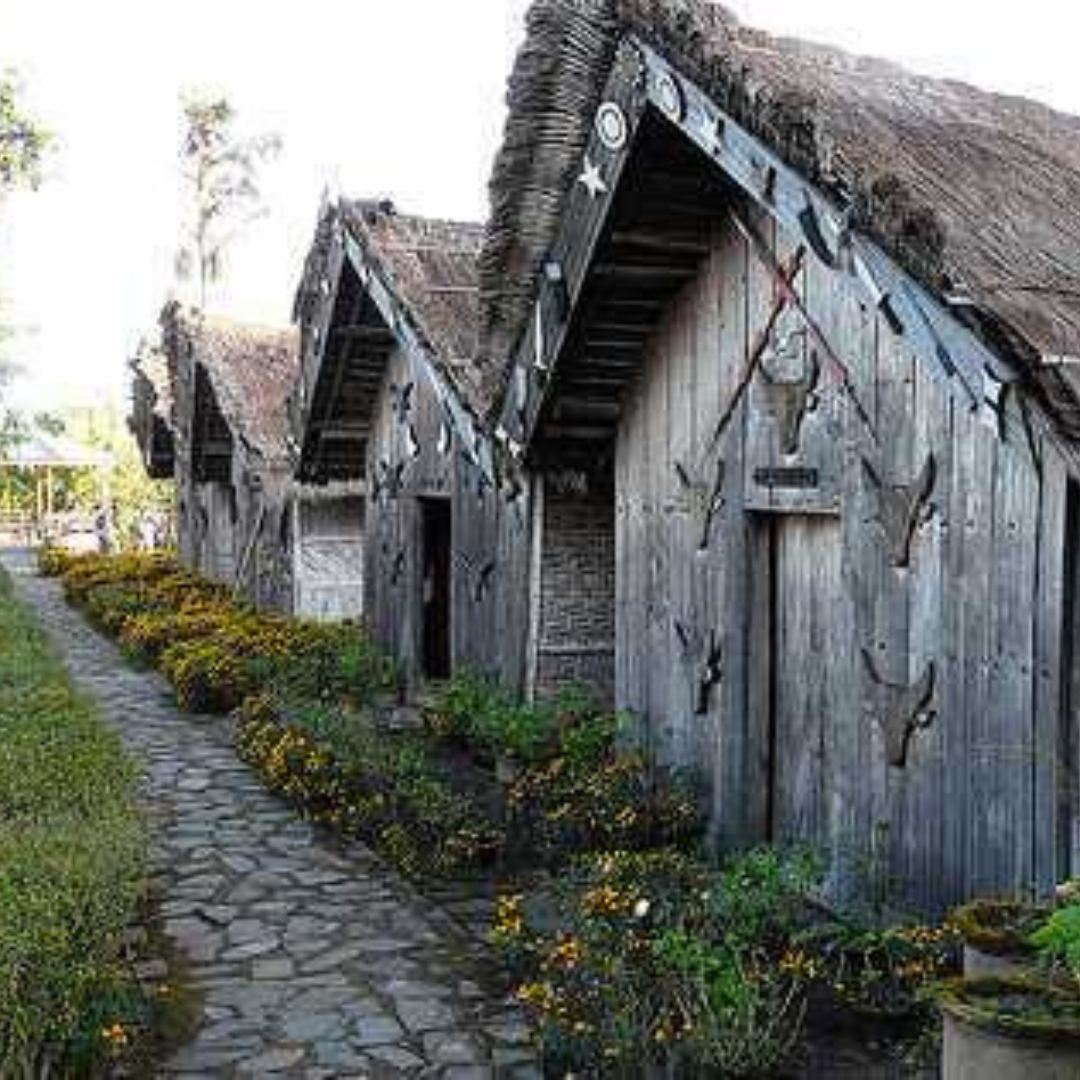
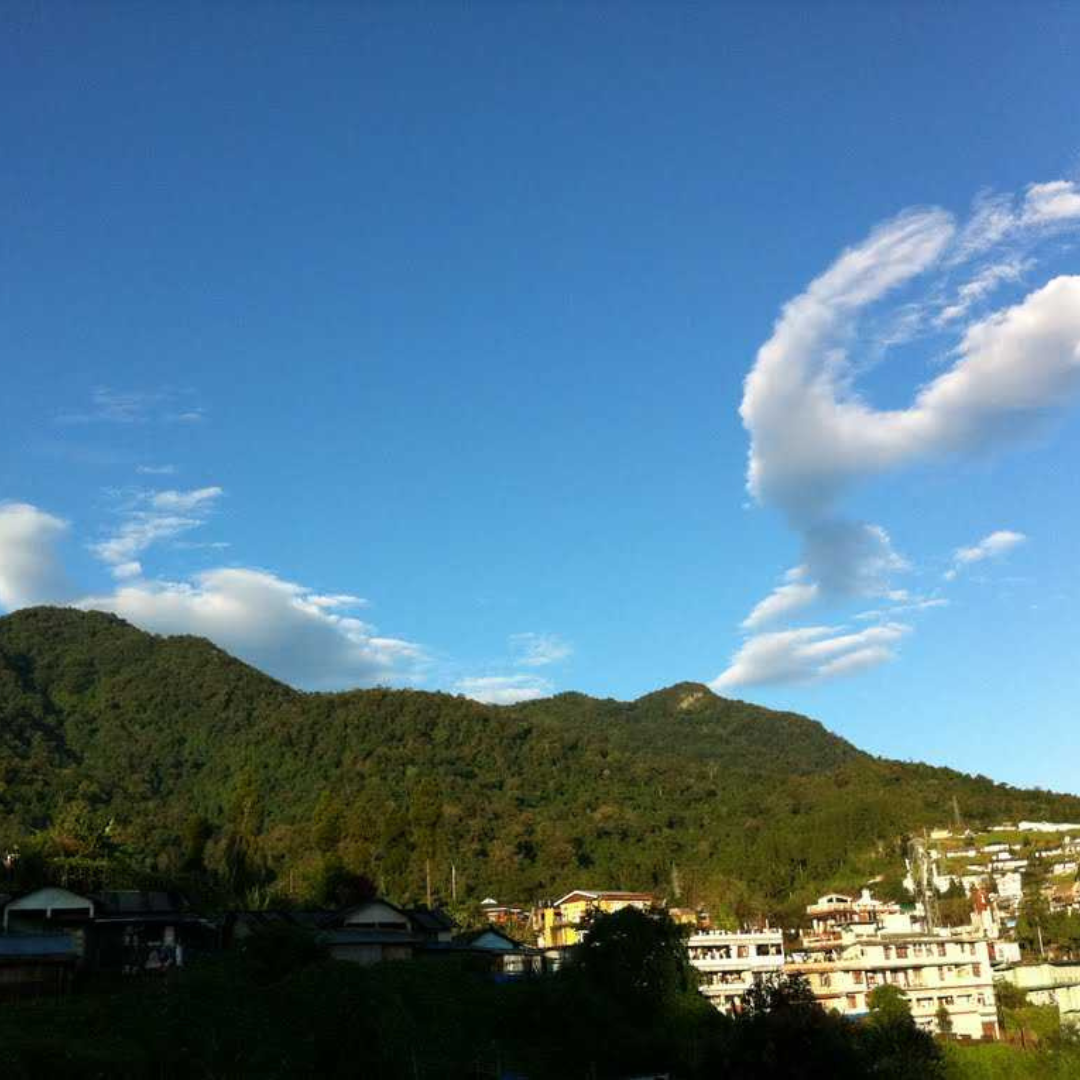
Nagaland, the Land of Festivals and Untamed Beauty, is one of Northeast India’s most fascinating destinations, celebrated for its vibrant tribal culture, rolling green hills, and colorful traditions. Known as the “Switzerland of the East,” this enchanting state is home to 16 major tribes, each with its own distinct language, customs, and festivals. The world-famous Hornbill Festival in Kisama brings these rich traditions to life through dance, music, and art, making it a must-experience event for every traveler.

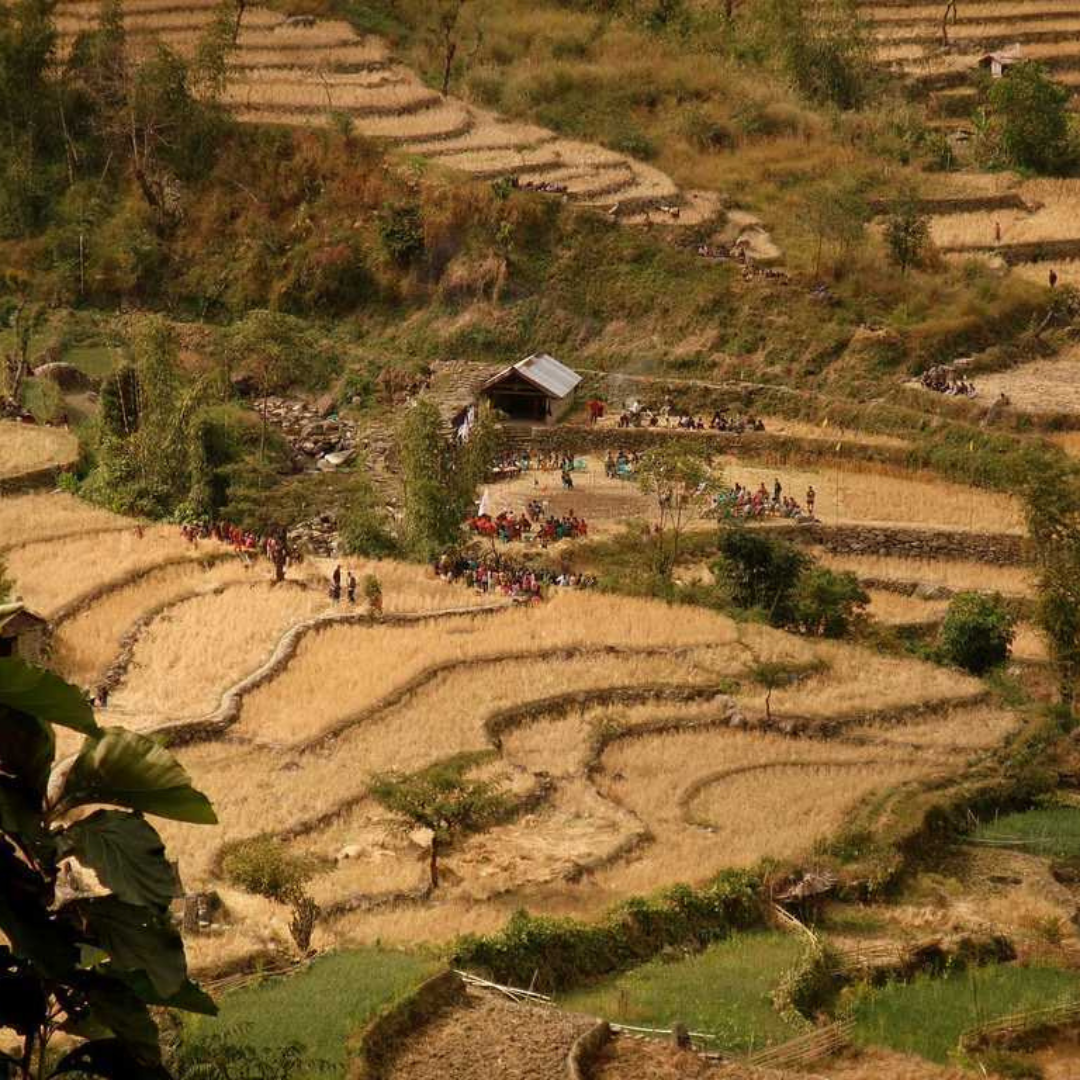
Beyond its cultural richness, Nagaland captivates with its untouched landscapes – from the scenic Dzukou Valley, often carpeted with lilies, to the serene villages of Khonoma and Mokokchung. Adventure seekers can trek through misty trails, camp amidst wild orchids, or explore ancient tribal heritage. With its blend of natural beauty and cultural depth, Nagaland is truly a hidden gem of Northeast India waiting to be discovered.

How to Reach Nagaland?

How to Reach Nagaland by Air

The main gateway to Nagaland by air is Dimapur Airport, the only airport in the state, located about 70 km from Kohima, the capital city. Dimapur is well-connected with regular flights from Guwahati, Kolkata, and Delhi. Travelers can hire taxis or take state transport buses from Dimapur to reach other destinations across Nagaland. The short flight followed by a scenic road journey makes air travel the most convenient way to reach Nagaland.

How to Reach Nagaland by train

Traveling to Nagaland by train is convenient and affordable. The nearest major railhead is Dimapur Railway Station, located on the main line connecting Guwahati and Dibrugarh. It has regular trains from major cities like Delhi, Kolkata, and Guwahati. From Dimapur, travelers can easily reach Kohima and other parts of the state by taxis, shared cabs, or state transport buses. The train journey offers a comfortable and scenic way to enter the heart of Nagaland.

How to Reach Nagaland by road

Reaching Nagaland by road is an exciting journey through scenic hills and winding valleys. The state is well-connected to Assam and other Northeast states via National Highway 29, which links Dimapur to Kohima and further to other towns. Regular bus services by Nagaland State Transport (NST) and private taxis operate from Guwahati, Jorhat, and Shillong. Travelers can also rent cars for a flexible and picturesque drive through Nagaland’s lush landscapes.

Top Tourist Attractions in Nagaland

FAQs About Nagaland

What is Nagaland famous for?

Nagaland is famous for its vibrant tribal culture, colorful festivals, and breathtaking landscapes. Known as the Land of Festivals, it’s home to 16 major tribes, each with its own rich traditions, dance, and music. The state is also known for the world-famous Hornbill Festival, traditional Naga handicrafts, and scenic destinations like Kohima, Mokokchung, and Dzukou Valley.

A 5 to 7-day trip is ideal to explore Nagaland comfortably. This allows you to experience the capital Kohima, visit traditional villages like Khonoma and Touphema, trek through Dzukou Valley, and explore local markets. If you visit during the Hornbill Festival in December, consider adding a couple of extra days to soak in the celebrations.

Yes, Nagaland is safe for tourists. The locals are warm and welcoming, and tourism is encouraged across the state. However, it’s advisable to carry a valid Inner Line Permit (ILP) for entry and respect local customs when visiting tribal villages. Staying informed about local guidelines and traveling with a local guide can enhance your experience.

Nagaland’s cuisine is a flavorful adventure! Must-try dishes include Smoked Pork with Bamboo Shoot, Axone (fermented soybean), Galho (Naga-style khichdi), and Hinkejvu (a mix of vegetables with mustard leaves). Don’t miss local rice beer and freshly made chutneys with Raja Mircha, one of the world’s hottest chilies.

The Hornbill Festival is celebrated every year from December 1st to 10th in Kisama Heritage Village near Kohima. It’s a grand celebration of Naga culture, featuring traditional dances, crafts, local cuisine, and music performances. It’s the perfect time to witness the essence of Nagaland’s diverse tribal heritage.