
Festivals of Northeast India are a window into the region’s rich cultural tapestry. Known as the Seven Sisters—Arunachal Pradesh, Assam, Meghalaya, Mizoram, Manipur, Nagaland, and Tripura—this part of India is home to hundreds of tribes and communities, each with unique traditions. Festivals are the heartbeat of their culture, reflecting age-old rituals, nature worship, harvest celebrations, and vibrant dances.
For travelers, experiencing the festivals of Northeast India is not just about attending an event—it’s about living the region’s soul. Whether it’s the pulsating rhythms of Nagaland’s Hornbill Festival, the colorful Bihu dances of Assam, or the soulful Wangala of Meghalaya, every celebration tells a story.
In this blog, we explore 10 vibrant festivals of Northeast India that you should experience at least once in your lifetime.
The festivals of Northeast India are unlike anywhere else in the country. Here’s why:
Cultural Diversity: Each state has multiple tribes, and each tribe has its own festivals.
Nature Connection: Many festivals celebrate harvest, rivers, mountains, or forests.
Music & Dance: Traditional instruments, folk songs, and dances form the core of celebrations.
Community Bonding: Festivals bring together families, clans, and entire villages.
Tourism Value: These events attract global travelers looking for unique experiences.
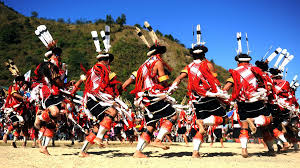
Known as the “Festival of Festivals,” Hornbill Festival is one of the most famous festivals of Northeast India. Held every December in Kisama village near Kohima, it brings together all 16 tribes of Nagaland.
Highlights: Traditional Naga dances, war cries, bamboo pole climbing, and local cuisine.
Best Time to Visit: December 1–10.
Traveler’s Tip: Stay in a homestay for a truly immersive cultural experience.
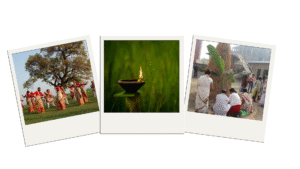
Bihu is not one festival but a series of three agricultural festivals that define the cultural life of Assam. It is among the most colorful festivals of Northeast India.
Rongali Bihu (April): Marks the Assamese New Year and sowing season.
Kati Bihu (October): Celebrates a quiet, solemn phase of the harvest.
Bhogali Bihu (January): Marks harvest completion with feasts and bonfires.
Highlights: Traditional Bihu dance, songs, feasting, and community celebrations.
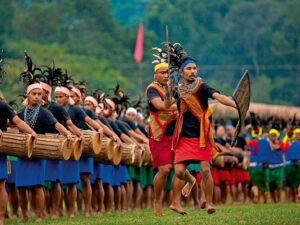
The Garo tribe’s Wangala Festival is a harvest celebration dedicated to the Sun God, Saljong. It is one of the most spiritual festivals of Northeast India, showcasing gratitude for a good harvest.
Highlights: The 100-drum orchestra, traditional dances, and vibrant attire.
Best Time to Visit: November.
Traveler’s Tip: Combine the festival with a trip to nearby Cherrapunji or Dawki.
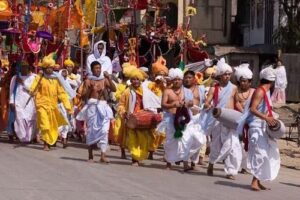
Named after the endangered Sangai deer found only in Manipur, the Sangai Festival celebrates the state’s culture, crafts, and natural beauty.
Highlights: Manipuri classical dance, martial arts like Thang Ta, and handicrafts.
Best Time to Visit: November.
Traveler’s Tip: Don’t miss visiting Loktak Lake while attending the festival.
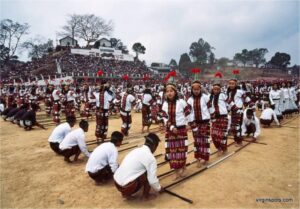
Chapchar Kut is one of the oldest and most significant festivals of Northeast India, celebrated by the Mizo people. It marks the completion of jhum (shifting) cultivation.
Highlights: Traditional bamboo dances, music, and community feasts.
Best Time to Visit: March.
Traveler’s Tip: Try Mizo delicacies like Bai and smoked pork during the festival.
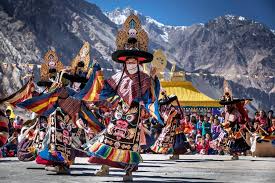
Celebrated by the Monpa tribe in Arunachal Pradesh, Losar Festival marks the Tibetan New Year. It’s a deeply spiritual and colorful event that showcases Buddhist traditions.
Highlights: Prayer ceremonies, masked dances, and lighting of butter lamps.
Best Time to Visit: February–March.
Traveler’s Tip: Tawang Monastery is the best place to witness Losar.
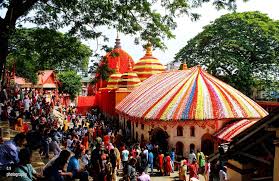
Ambubachi Mela at the Kamakhya Temple in Guwahati is one of the most spiritual festivals of Northeast India. It is associated with the fertility rituals of Goddess Kamakhya.
Highlights: Pilgrims from across India, tantric practices, and religious fairs.
Best Time to Visit: June.
Traveler’s Tip: Book accommodations early as the city becomes crowded.
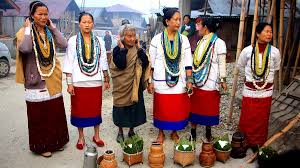
The Apatani tribe of Ziro Valley celebrates Myoko Festival to strengthen bonds of friendship and prosperity. It is one of the lesser-known but fascinating festivals of Northeast India.
Highlights: Ritual sacrifices, traditional dances, and community feasts.
Best Time to Visit: March.
Traveler’s Tip: Stay in a tribal homestay for an authentic experience.
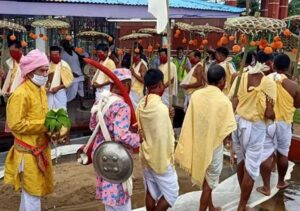
Kharchi Puja is one of the grandest festivals of Northeast India, celebrated in Agartala. It involves worshipping 14 deities of Tripura’s royal dynasty.
Highlights: Colorful processions, rituals, and community feasts.
Best Time to Visit: July.
Traveler’s Tip: Explore Ujjayanta Palace while attending the festival.
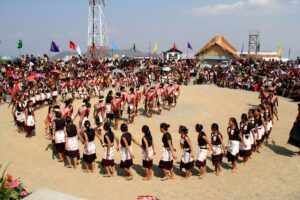
Celebrated by the Ao tribe, Moatsu Festival marks the completion of sowing. It is among the most joyful festivals of Northeast India, known for community bonding.
Highlights: Bonfires, traditional dances, storytelling, and rice beer.
Best Time to Visit: May.
Traveler’s Tip: Combine it with a trek to Dzükou Valley.
The festivals of Northeast India are not just cultural events—they are a way of life. They bring people together, strengthen traditions, and connect communities to nature. Festivals are when music, food, and spirituality merge, creating memories for locals and travelers alike.
Plan Early: Book tickets and accommodations in advance.
Respect Traditions: Always ask before photographing people or rituals.
Dress Modestly: Many festivals have spiritual significance.
Try Local Food: Don’t miss traditional dishes served during festivals.
Travel with Locals: Guides and homestays add depth to your experience.
The festivals of Northeast India are an invitation to experience the region’s soul. From the grandeur of Hornbill in Nagaland to the spiritual depth of Ambubachi in Assam, each festival tells a story of resilience, community, and joy.
For travelers, attending these 10 vibrant festivals of Northeast India is more than sightseeing—it’s cultural immersion at its best. So, plan your trip, mark your calendar, and let Hidden Northeast be your guide to these unforgettable celebrations.