
25 Travel Essentials for Northeast India are a game-changer for anyone venturing into this breathtaking region. The seven states—Arunachal Pradesh, Assam, Manipur, Meghalaya, Mizoram, Nagaland, and Tripura—offer a tapestry of misty hills, vibrant cultures, and untamed wilderness. But traveling here comes with challenges: unpredictable weather, remote trails, and limited infrastructure can quickly turn an adventure sideways. That’s where these 25 Travel Essentials for Northeast India prove invaluable.
Over years exploring hidden gems like the floating islands of Loktak Lake or the rhododendron trails of Dzükou Valley, we’ve discovered that the right gear doesn’t just make your trip smoother—it can truly save the day. In this guide, we’ll share the 25 Travel Essentials for Northeast India that have repeatedly pulled us out of tough spots. Whether you’re trekking through rain-drenched forests in Meghalaya or bouncing along rugged roads in Nagaland, these 25 Travel Essentials for Northeast India are absolute must-haves.
We’ve organized the 25 Travel Essentials for Northeast Northeast India into practical categories for easy reference, complete with real stories from our adventures to highlight why each one belongs on your packing list. By the end, you’ll have a complete checklist of 25 Travel Essentials for Northeast India to tackle this wild and beautiful region like a seasoned explorer.
Let’s dive into the 25 Travel Essentials for Northeast India that every passionate traveler heading to offbeat routes and raw destinations needs.
Traveling, especially on adventurous trips like trekking, backpacking, or off-the-beaten-path journeys, often throws unexpected challenges your way—sudden weather changes, remote locations with no amenities, health issues, or simple inconveniences. These 25 Travel Essentials for Northeast have proven time and again to be lifesavers for many travelers. Below is a detailed breakdown of each item, including why it’s crucial, real-world scenarios where it shines, tips for choosing and using it, and visual examples.
1. Sleeping Bag
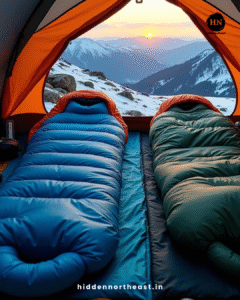
A compact, lightweight sleeping bag is indispensable for warmth and comfort when accommodation falls through or you’re camping in cooler climates. It provides insulation rated for specific temperatures (e.g., 0–10°C for summer travel), preventing hypothermia in unexpected cold snaps. On multi-day treks or budget trips, it turns a hostel floor or airport bench into a viable sleeping spot. Opt for down or synthetic fill for packability—many weigh under 1kg.
2. Waterproof Backpack
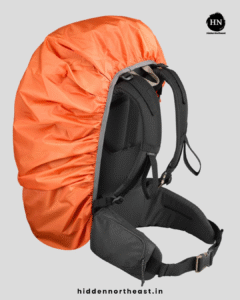
Cover This elastic or drawstring cover slips over your backpack to shield it from heavy rain, keeping clothes, electronics, and documents dry. In monsoon-prone areas or sudden storms, it prevents water seepage that could ruin your trip. Choose one sized for your pack (e.g., 50–70L) with reflective strips for visibility. It’s far more reliable than internal liners alone during prolonged exposure.
3. Emergency Thermal Blanket
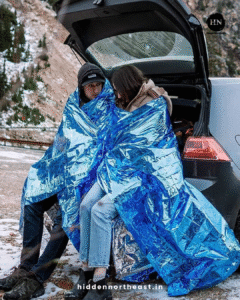
Also known as a space blanket, this ultra-thin mylar sheet reflects 90% of body heat and packs to the size of a deck of cards. It’s a survival essential for shock, hypothermia, or as a ground cover/signaling device in emergencies. In high-altitude or desert nights, it adds critical warmth layered inside a sleeping bag. Always carry at least one per person.
4. Mosquito Net with Permethrin
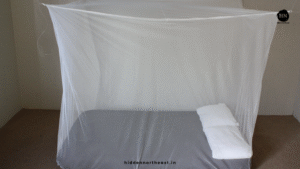
Treated nets provide a chemical barrier against insects carrying malaria, dengue, or Zika in tropical regions. Hang it over beds in basic guesthouses or while camping—permethrin kills bugs on contact and lasts through washes. Look for fine mesh (at least 256 holes per square inch) and impregnated treatment for maximum protection.
5. First-Aid Kit with Altitude Sickness Meds
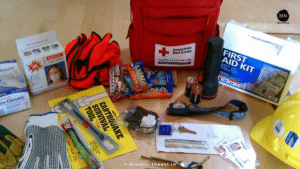
A customized kit should include bandages, antiseptics, painkillers, blister plasters, and medications like Diamox (acetazolamide) for high-altitude trips. It handles everything from minor cuts to headaches or acute mountain sickness. Tailor it to your destination (e.g., add rehydration salts for hot climates) and learn basic usage beforehand.
6. Sunscreen with High SPF
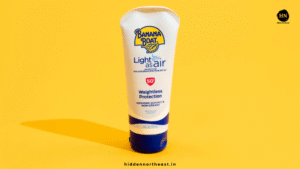
SPF 50+ broad-spectrum sunscreen protects against UVA/UVB rays, preventing burns, dehydration, and long-term skin damage—especially intensified at altitude or near water. Apply liberally every 2 hours; mineral-based options are reef-safe and less irritating. It’s vital for exposed skin during long outdoor days.
7. Portable Power Bank
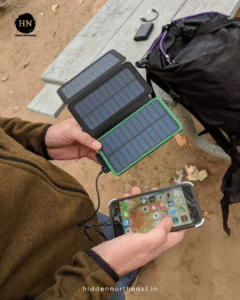
With 10,000–20,000mAh capacity, it charges phones multiple times when outlets are scarce or during blackouts. Essential for navigation apps, emergency calls, or photography in remote areas. Choose fast-charging models with multiple ports and solar options for extended trips.
8. Reusable Water Bottle with Filter
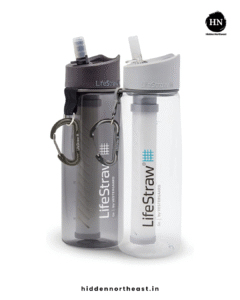
Bottles like LifeStraw remove 99.999% of bacteria and parasites, allowing safe drinking from streams or questionable taps—reducing plastic waste and costs. Ideal for hiking; some filter thousands of liters before replacement.
9. Packing Cubes
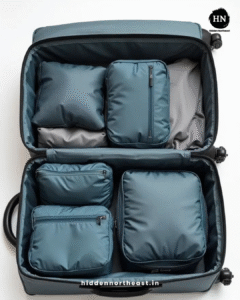
These compressible organizers separate clothes, keep your bag tidy, and maximize space in carry-on luggage. They make finding items quick without unpacking everything—perfect for frequent moves between hostels or trains.
10. A Large Scarf
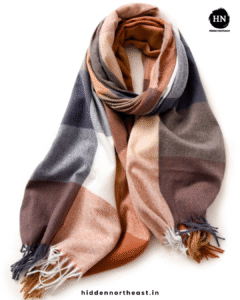
Versatile as a blanket on chilly transports, sun shield, towel, pillow, or modesty cover in cultural sites. Lightweight pashmina or sarong styles pack small but offer multiple functions.
11. Compact Rain Jacket or Poncho
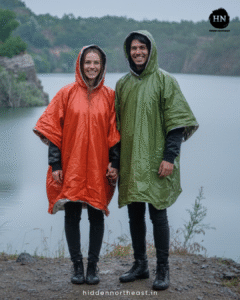
Packable into its own pocket, it provides instant rain/wind protection without bulk. Ponchos cover backpacks too—crucial for unpredictable weather on hikes.
12. Offline Maps Downloaded on Phone
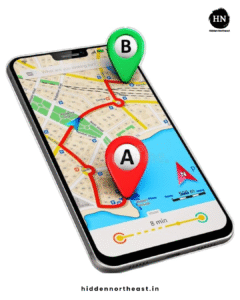
Apps like Maps.me Maps.me or Google Maps offline ensure navigation without data—vital in areas with poor signal. Download regions in advance for trails or cities.
13. Comfortable Trekking Shoes
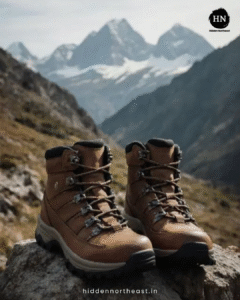
Well-fitted, broken-in shoes with good grip prevent blisters, twists, and fatigue on rough terrain. Waterproof models handle puddles and streams.
14. Headlamp or Torch
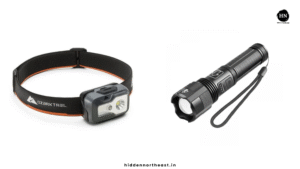
Hands-free lighting for early morning starts, night hikes, or reading in tents. Rechargeable with red light mode preserves night vision.
15. Neck Pillow
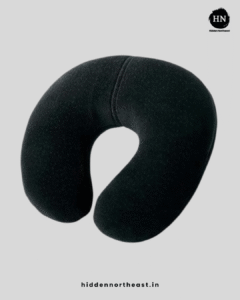
Inflatable versions support your neck on long flights/buses, reducing strain and improving sleep quality for better recovery.
16. Dry Bags or Ziplock Pouches
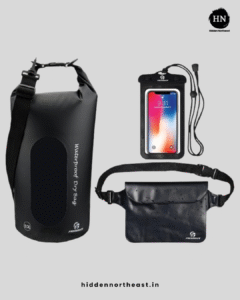
Seal out water for electronics, clothes, or documents during boat rides, rain, or river crossings. Roll-top dry bags are robust for larger items.
17. Snacks and Energy Bars
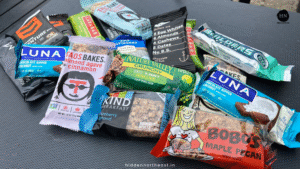
High-calorie, non-perishable bars provide quick fuel when meals are delayed or during intense activity—preventing bonking on hikes.
18. Personal Toiletries & Wet Wipes
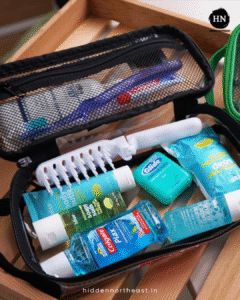
Travel-sized essentials plus biodegradable wipes maintain hygiene in places without running water or showers.
19. Multi-Tool Knife
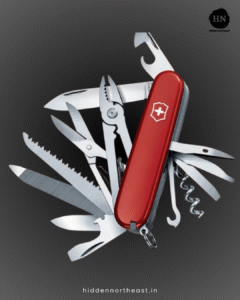
Includes knife, scissors, screwdriver—useful for repairs, food prep (check carry-on rules; pack in checked luggage).
20. Universal Travel Adapter
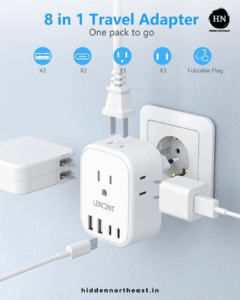
Works in 150+ countries with multiple plug types; some include USB ports for direct charging.
21. Notebook & Pen
For jotting addresses, experiences, or backup info when batteries die—durable, waterproof versions are best.
22. Copies of Important Documents
Photocopies or digital scans of passport, visas, insurance—stored separately or emailed to yourself for quick replacement if lost.
23. Portable Laundry Washing Bag
Like the Scrubba, it allows hand-washing clothes in minutes without a sink—great for long trips to lighten your pack.
24. Cash and Small Bills
Local currency in low denominations for tips, markets, or places without ATMs/cards—avoid large bills that are hard to change.
25. Phrasebook or Translation App
Offline apps or pocket books help communicate basics in non-English areas—bridging gaps for directions, food, or help.These items focus on preparedness, versatility, and minimalism—pack smart, and they’ll turn potential disasters into minor hiccups!