
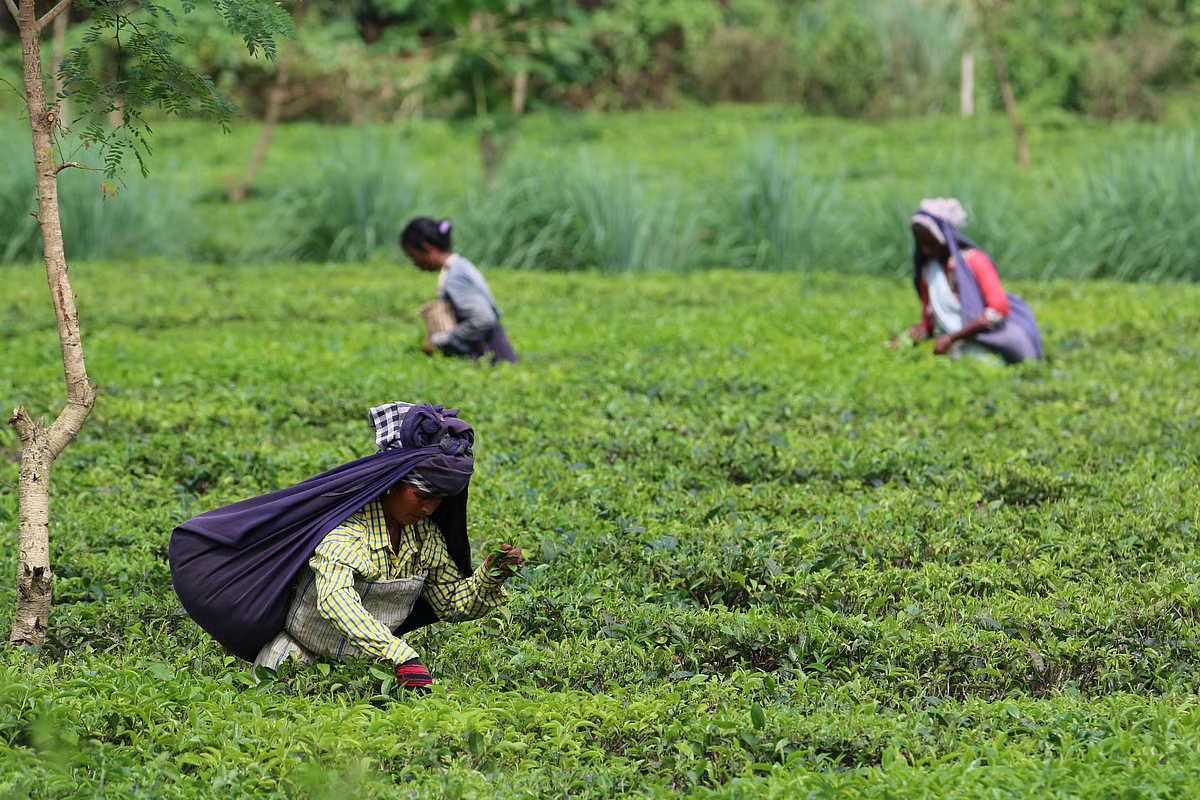
Tea Tourism in Assam is not just about sipping a cup of tea — it’s about living the journey from leaf to brew. As dawn breaks over the Brahmaputra plains, the first rays of sunlight sweep across endless rows of emerald-green bushes. The rhythmic snip of tea puckers’ scissors blends with the chirping of birds, while a faint mist lingers over the fields. Welcome to Assam, India’s largest tea-growing region and a paradise for travellers who want to experience the world of tea beyond their teacup.
This is your guide to seven of the most incredible gardens that make tea tourism in Assam a once-in-a-lifetime experience. Each estate tells its own tale — of colonial legacy, Assamese warmth, and the earthy aroma of freshly brewed tea.
Home to over 800 tea estates and thousands of small growers, Assam produces nearly half of India’s tea. The state’s unique climate — warm, humid, and kissed by monsoon rains — gives its brew that signature malty, full-bodied flavour loved around the world. But what truly makes tea tourism in Assam special is the blend of heritage and hospitality.
From stately British-era bungalows nestled amidst green carpets to immersive tours where you can pluck, roll, and taste your own tea — the experience connects travellers to the rhythm of plantation life. It’s not just sightseeing; it’s storytelling through every sip.
Best Season: March to November is ideal when plucking is at its peak, and the gardens glow with rich greenery.
Avoid: Heavy monsoons (June–August) can limit access to estates, though they do bring lush scenery.
Weather Tip: Mornings and evenings are cool, perfect for strolls through the tea fields.
Budget Insight: Stay in heritage bungalows within estates — many offer all-inclusive packages with meals, tours, and tea tasting.
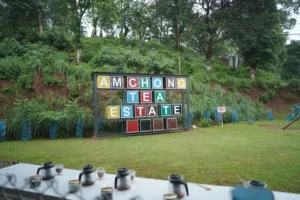
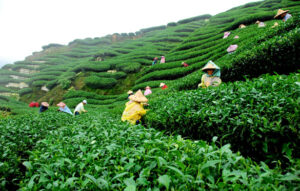
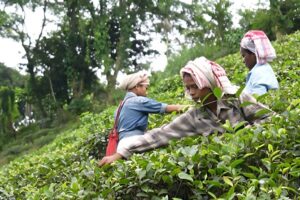
Just a short drive from Guwahati, Amchong Tea Estate is the perfect introduction to tea tourism in Assam. Spread over 1,800 acres, this picturesque garden offers lush walking trails, a boutique resort stay, and guided tours that take you through the tea-making process — from leaf to cup.
Highlights:
Guided factory tours and tasting sessions
Early morning mist walks through tea rows
Birdwatching and light jungle treks nearby
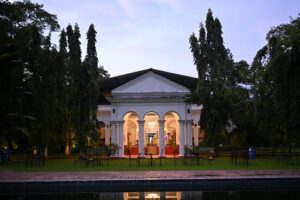
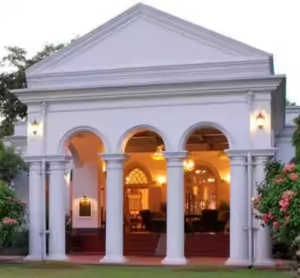
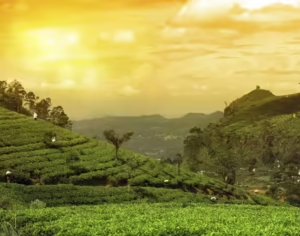
A jewel of colonial architecture, Thengal Manor dates back to 1929 and remains one of Assam’s most elegant tea bungalows. Staying here means waking up to birdsong, sipping tea on wide verandas, and watching golden light spill over manicured lawns.
Why It’s Special:
Luxurious vintage-style rooms
Walking access to nearby tea gardens
Close to the famous Tocklai Tea Research Institute


In Sonitpur district, Wild Mahseer blends heritage with sustainability. Once a British tea estate, it now serves as a model for eco-conscious tea tourism in Assam. The estate is part of the Balipara Foundation, promoting conservation and slow travel.
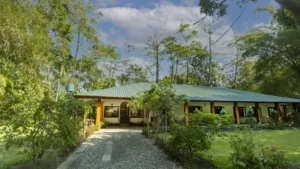
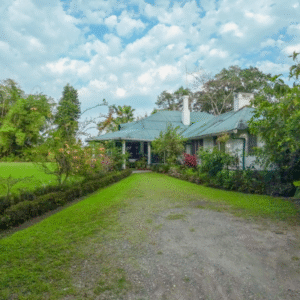
Top Experiences:
Tea tasting of rare blends and hand-rolled teas
Guided nature walks and birding trails
Stay in lovingly restored heritage bungalows
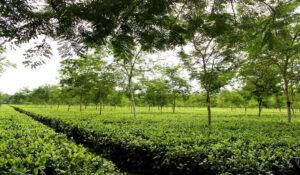
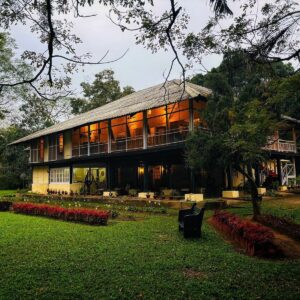
Known as the “Tea City of India,” Dibrugarh is home to some of Assam’s finest gardens, and Mancotta is the crown jewel. Its Chang Bungalow, elevated on stilts, offers panoramic views of the plantations.

Must-Do Activities:
Tea factory visit with hands-on experience
Cultural evening with Assamese dance and local cuisine
Cycling around the plantation trails
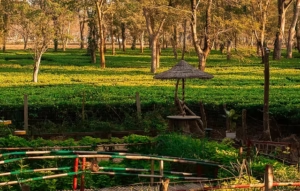
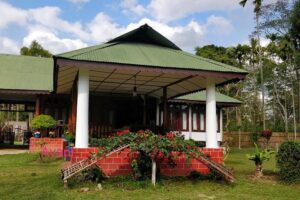
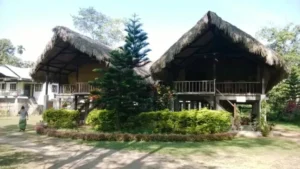
For travellers who crave peace and refinement, Bahani Tea Estate is a hidden retreat. The restored heritage bungalow offers a boutique escape surrounded by tranquility.
What You’ll Love:
Private tea tasting sessions with experts
A mix of Assam’s CTC and Orthodox varieties
Authentic Assamese meals cooked with estate-grown ingredients

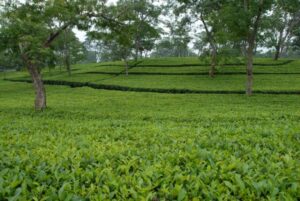
Monabarie is Asia’s largest tea garden — and a must-visit for anyone exploring tea tourism in Assam. With rolling hills and vast green waves of tea bushes, it captures the very essence of Assam’s landscape.
Experiences Not to Miss:
Estate safari drives through the plantation
Conversations with local tea pluckers
Capturing sunrise photography sessions
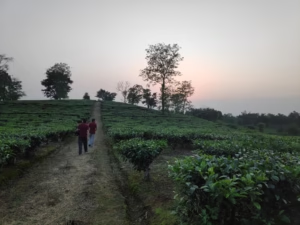
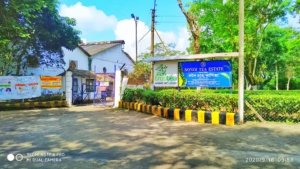
For an offbeat touch to your tea tourism in Assam trail, Nonoi Tea Estate is a quiet gem. Less commercial than others, it gives visitors a glimpse into authentic tea garden life.
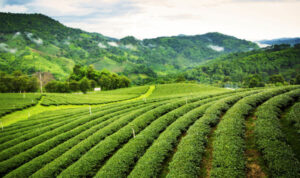
Why Visit:
Peaceful estate walks
Interaction with tea workers
Homemade tea-tasting experiences
Tea is not just an export here — it’s a lifestyle. Generations of families have lived on these estates, crafting their livelihood and legacy from the leaves. Festivals like Magh Bihu and Rongali Bihu bring music and dance to plantation life, while evening “cha sessions” bind communities together over steaming cups.
By immersing yourself in tea tourism in Assam, you’re also experiencing the pulse of Assamese culture — humble, warm, and full of stories.
Day 1–2: Arrive in Guwahati – explore Amchong Tea Estate
Day 3–4: Head to Jorhat – stay at Thengal Manor, visit Tocklai Institute
Day 5–6: Drive to Balipara – enjoy eco-stay at Wild Mahseer
Day 7: Continue to Dibrugarh – explore Mancotta Tea Estate
Day 8: Spend the night at Bahani Estate, Mariani
Day 9: Visit Monabarie Estate – witness large-scale tea production
Day 10: End at Nonoi Estate, Nagaon – unwind before departure
When your tea tourism in Assam adventure ends, you’ll carry back more than just souvenirs — you’ll carry the scent of fresh leaves, the warmth of Assamese hospitality, and a newfound appreciation for the brew you sip every morning.
There’s something magical about watching sunrise over a field of dew-covered tea leaves, hearing the faint hum of plucking songs, and realizing that this green sea sustains an entire culture. That’s what makes tea tourism in Assam an experience you truly can’t miss.