
Food in Northeast India is not just about satisfying hunger—it is an experience of culture, tradition, and community. The Seven Sisters—Arunachal Pradesh, Assam, Meghalaya, Mizoram, Manipur, Nagaland, and Tripura—each have their own unique culinary identity influenced by local ingredients, tribal practices, and centuries of tradition.
This blog takes you through 7 amazing traditional dishes that define food in Northeast India, offering a taste of authenticity for every traveler.
Before exploring the dishes, it’s important to understand why food in Northeast India is unlike anywhere else in India.
Use of Local Ingredients: Bamboo shoots, herbs, mustard greens, and fermented items.
Minimal Use of Oil & Spices: Healthy, earthy, and close to nature.
Cultural Influence: Each tribe and state has unique food customs.
Fusion of Flavors: A blend of savory, tangy, and spicy tastes with fresh cooking styles.
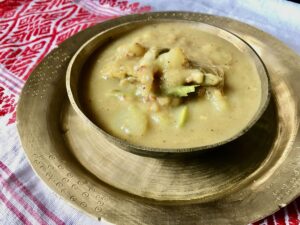
Khaar is one of the most iconic dishes representing food in Northeast India. Made with raw papaya, pulses, and a special alkaline water filtered through banana ash, this Assamese delicacy is light yet flavorful. Traditionally eaten with rice, it’s a must-try for anyone exploring Assam’s cuisine.
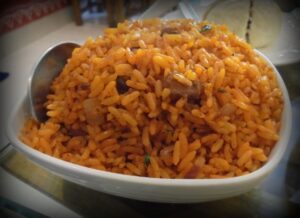
A Khasi specialty, Jadoh is a rice and meat dish, usually made with pork, cooked with aromatic spices. For many, Jadoh is the perfect introduction to food in Northeast India because of its rich flavor and cultural significance. In Shillong, you’ll find Jadoh in local markets and traditional eateries.
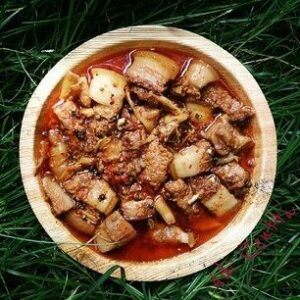
When it comes to food in Northeast India, Nagaland stands out for its bold and smoky flavors. Smoked pork with bamboo shoot is the state’s pride—tender pork pieces cooked with fermented bamboo shoot for a tangy punch. It’s best enjoyed with sticky rice and local chutneys.
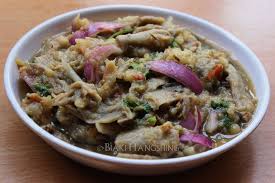
Eromba is a signature Manipuri dish that showcases the simplicity of food in Northeast India. Made with mashed boiled vegetables, fermented fish (ngari), and chili, Eromba is eaten with rice. The dish highlights Manipur’s love for earthy flavors and fermented ingredients.
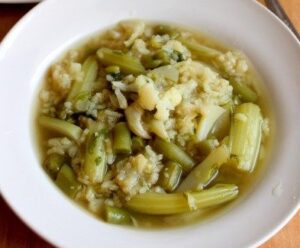
Bai is a light and healthy stew made with boiled vegetables, bamboo shoot, herbs, and occasionally pork. It’s one of the healthiest traditional dishes among food in Northeast India, reflecting the simple lifestyle of the Mizos. Bai is usually served with rice and chutney.
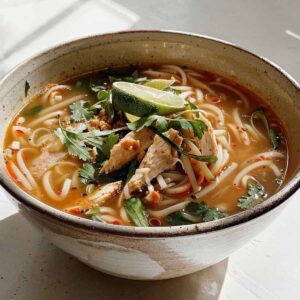
Borrowed from Tibetan influence, Thukpa has become a staple in Arunachal Pradesh. This noodle soup with meat, vegetables, and spices is a comfort food during cold weather. For travelers, Thukpa is one of the most popular introductions to food in Northeast India.
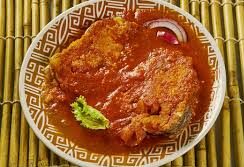
The state dish of Tripura, Mui Borok, is made with fermented fish (Berma) and vegetables. The dish is slightly pungent but loved for its unique flavor. It stands out as an authentic representation of food in Northeast India and is usually eaten with rice.
Food in Northeast India goes beyond the kitchen—it plays a central role in traditions, festivals, and hospitality. From community feasts during Bihu in Assam to festive meals during the Hornbill Festival in Nagaland, food is a way to connect people and preserve tribal heritage.
Always try local homestays for the most authentic meals.
Don’t miss regional drinks like Apong (rice beer in Arunachal) or Zutho (Nagaland rice beer).
Be open to experimenting with fermented items—they are an essential part of food in Northeast India.
Respect cultural sensitivities, especially around meat-based dishes.
The diversity of food in Northeast India makes it one of the most fascinating culinary journeys in India. From the smoky pork of Nagaland to the healthy stews of Mizoram and the soulful Thukpa of Arunachal Pradesh, every dish tells a story of culture, tradition, and connection to nature.
For travelers, experiencing these 7 amazing traditional dishes is not just about eating—it’s about understanding the heart of the Seven Sisters. So, on your next trip, let Hidden Northeast guide you to savor the unforgettable flavors of the region.