
Best time to visit Northeast India is one of the most asked questions by travelers planning to explore this hidden paradise. Known as the Seven Sisters of India—Arunachal Pradesh, Assam, Meghalaya, Mizoram, Manipur, Nagaland, and Tripura—this region offers breathtaking landscapes, unique culture, and unforgettable adventures. However, to truly enjoy its beauty, knowing the right season to visit is essential.
In this blog, we’ll guide you through the best time to visit Northeast India, explore the different seasons, and help you plan your journey with weather tips, festivals, and travel recommendations.
Choosing the best time to visit Northeast India ensures:
Comfortable weather for outdoor exploration
Access to scenic trekking routes and waterfalls
Chance to attend cultural festivals
Safer road conditions in hilly areas
Budget-friendly planning during off-seasons
With each season offering something unique, let’s dive into the details.
Winter is often considered the best time to visit Northeast India. The weather is cool, pleasant, and ideal for outdoor adventures. Popular destinations like Shillong, Gangtok (though in Sikkim, often clubbed with Northeast trips), and Tawang look magical with misty mornings and clear skies.
Highlights: Hornbill Festival in Nagaland, Sangai Festival in Manipur, snow-covered Tawang in Arunachal Pradesh.
Best Activities: Trekking, sightseeing, photography, and cultural exploration.
Temperature: 5°C – 15°C (varies by state.
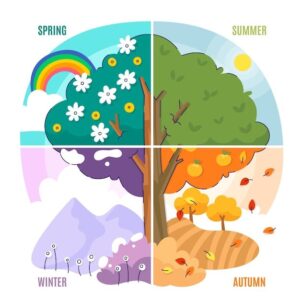
Summer is also among the best times to visit Northeast India, especially for travelers escaping the scorching heat of mainland India. The region stays relatively cool, making it a perfect retreat.
Highlights: Rhododendrons bloom in Arunachal, tea gardens in Assam turn lush green, and wildlife sanctuaries like Kaziranga are open.
Best Activities: Wildlife safaris, river rafting in Manas, exploring Nohkalikai Falls in Meghalaya.
Temperature: 15°C – 30°C.
While monsoon isn’t always considered the best time to visit Northeast India due to heavy rainfall, it has its own charm. The rain enhances the region’s lush greenery, waterfalls, and mystic clouds.
Highlights: Majuli island in Assam during rains, Cherrapunji and Mawsynram (the wettest places on Earth).
Best Activities: Photography, slow travel, enjoying homestays, and indoor cultural experiences.
Travel Tip: Be cautious of landslides and road closures.
November – February: Best for winter lovers, cultural festivals, and snow.
March – April: Perfect for spring blooms and tea estates.
May – June: Great for wildlife safaris and pleasant escapes.
July – September: Ideal for monsoon lovers who enjoy lush greenery.
October: Transition month with festive vibes (Durga Puja in Tripura, Assam).
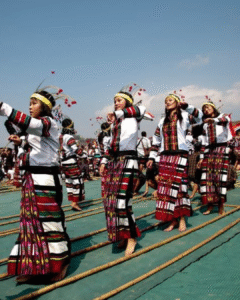
Hornbill Festival (Nagaland, December) – The “Festival of Festivals” showcasing Naga culture.
Bihu (Assam, April) – Celebration of harvest, dance, and traditions.
Wangala Festival (Meghalaya, November) – A colorful Garo tribe harvest festival.
Sangai Festival (Manipur, November) – Cultural heritage, dance, and traditional crafts.
Attending these during the best time to visit Northeast India makes your journey unforgettable.
Pack layered clothing as temperatures vary.
Book accommodations early during peak seasons (November–February).
Keep buffer days for travel in case of road delays.
Respect local culture and traditions while attending festivals.
Carry rain gear if traveling in monsoon.
The best time to visit Northeast India depends on your preferences. If you love festivals and cool weather, winter is ideal. For lush greenery and monsoon magic, July–September is for you. Summer offers pleasant escapes, while spring brings colorful landscapes.
No matter when you choose, Northeast India will welcome you with unmatched beauty, culture, and adventure. Plan your journey wisely, and let Hidden Northeast be your travel guide to explore the Seven Sisters of India.